
Signs an older house needs new wiring

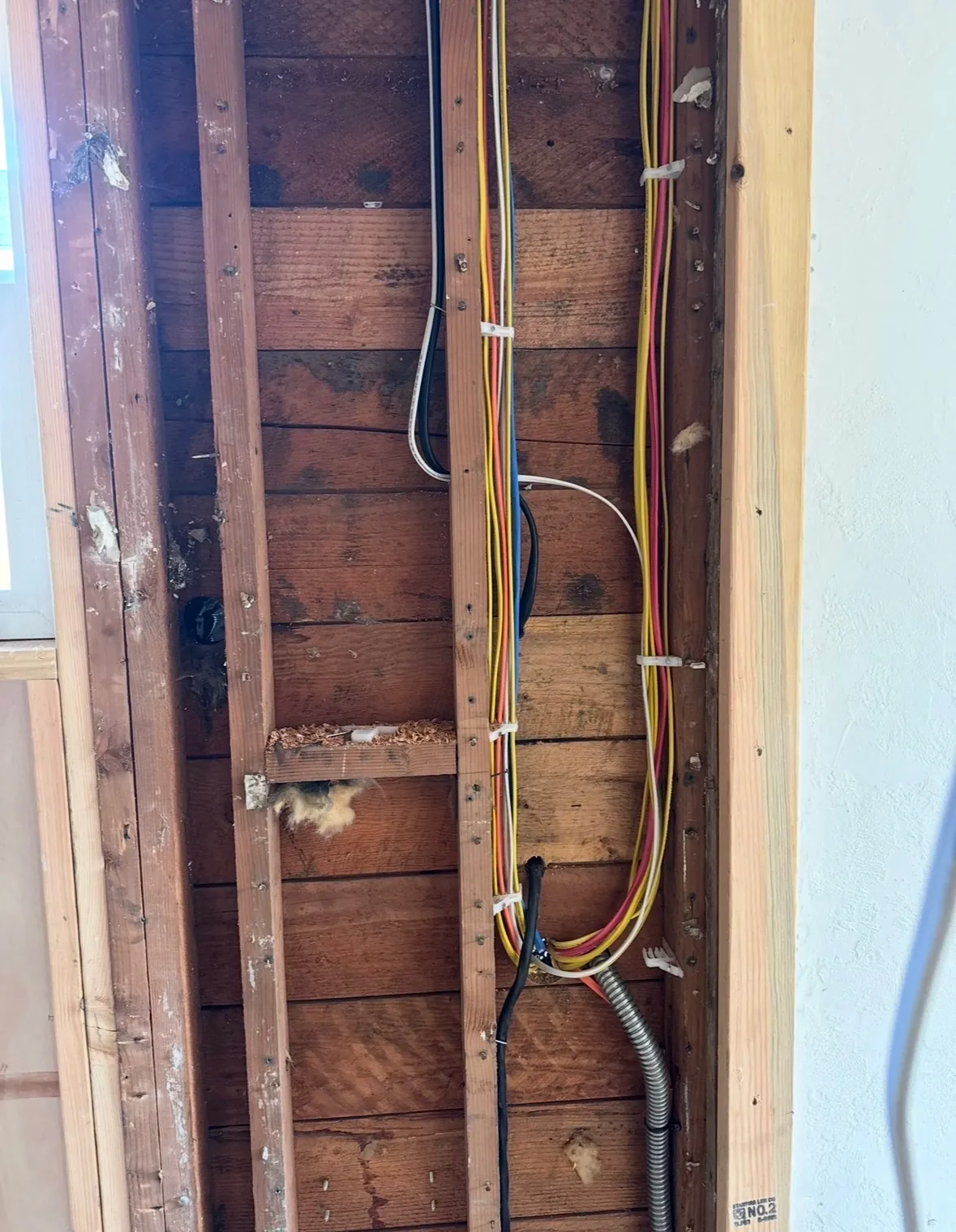
- Knob and tube wiring: single wires run on white ceramic knobs and tubes, common in homes built before the 1940s.
- Cloth-covered wire that crumbles when it's touched in the attic or basement.
- Mostly two-prong outlets, with no ground wire behind them.
- A few circuits feeding the whole house, so breakers trip when the kitchen and the bathroom are both in use.
- Outlets and switches that are warm, discolored, or loose.
- A home inspection report, insurer, or lender asking for the wiring to be updated.

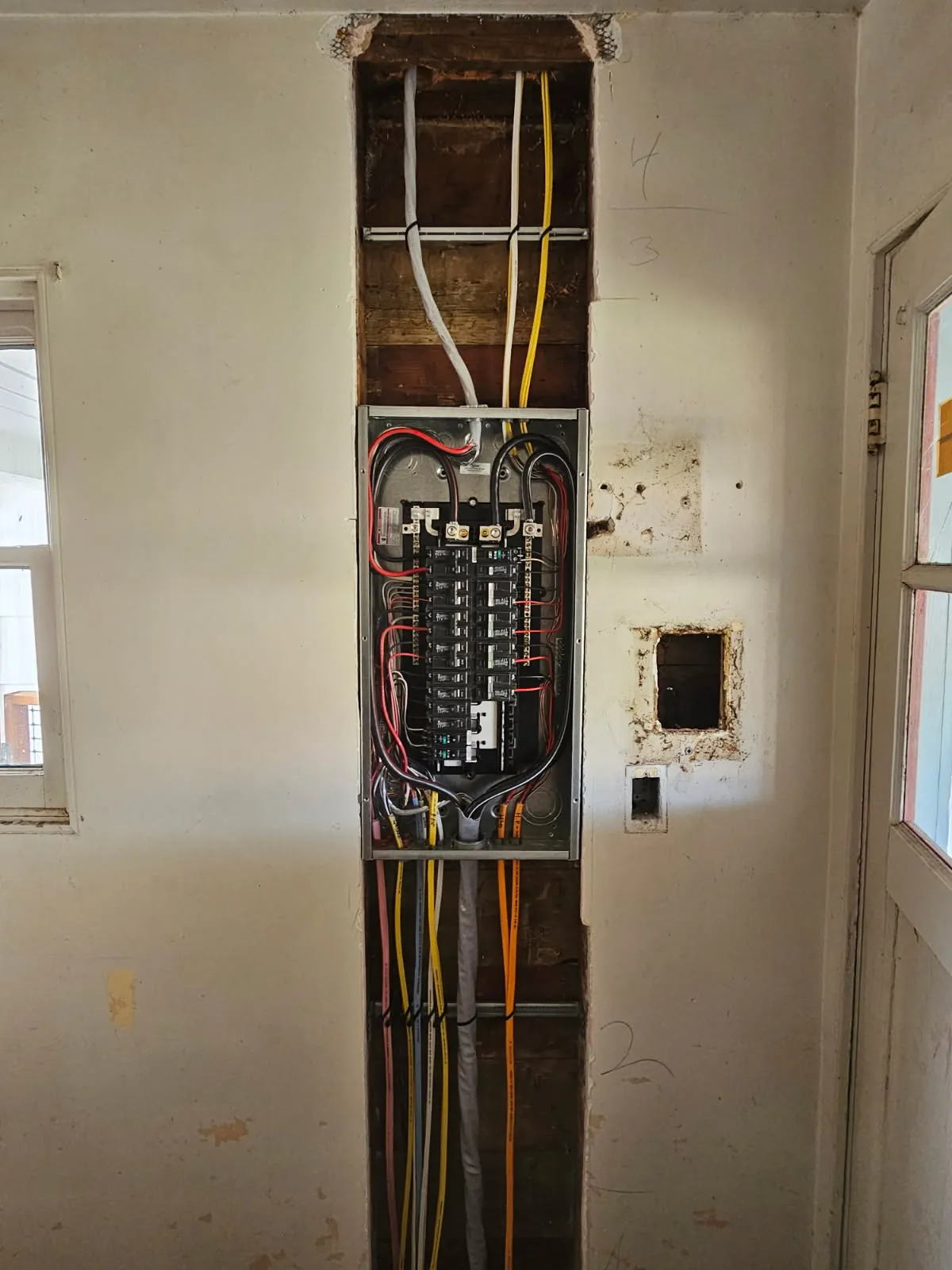
… It’s an old house, nothing is straightforward and they worked through the rewiring efficiently and effectively. …
Rewiring a whole house or part of it
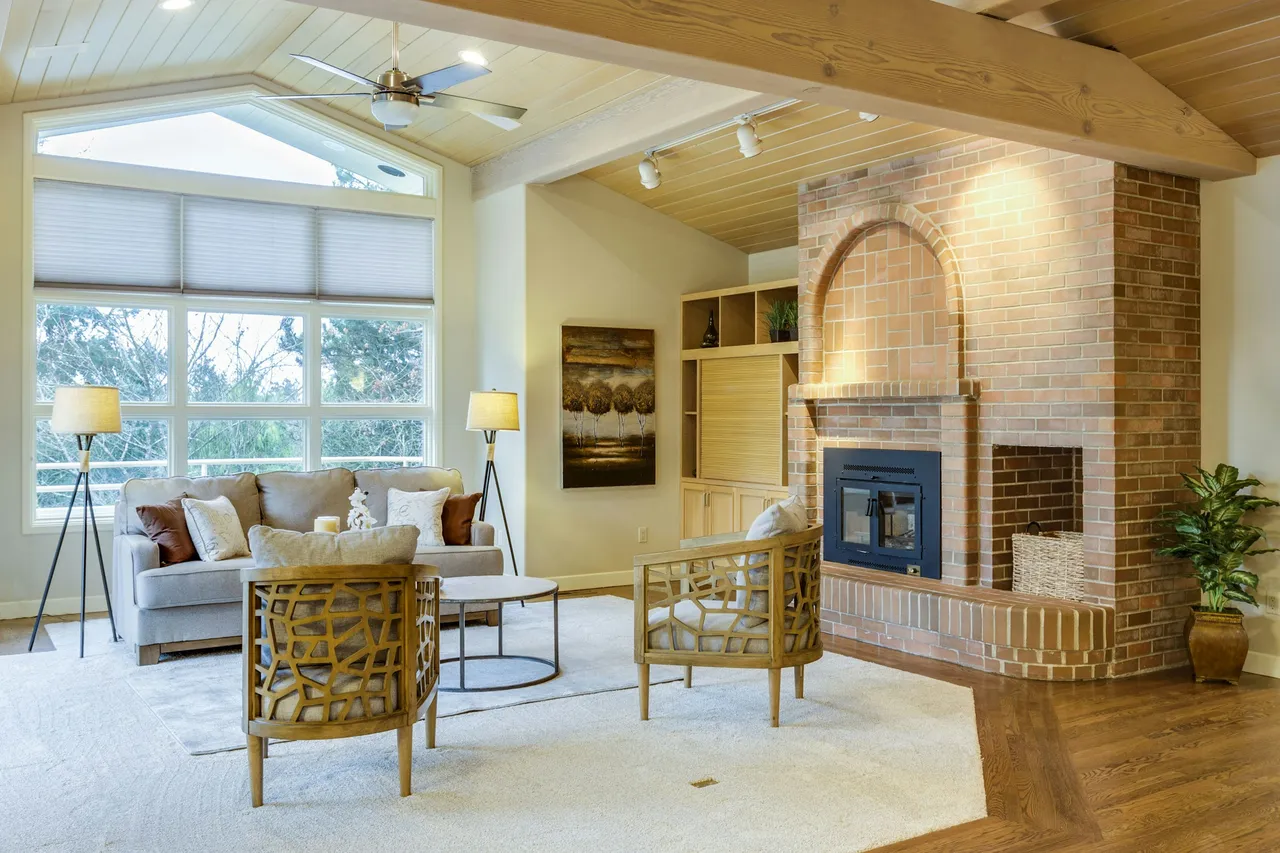
A rewire doesn't have to be all or nothing. Sometimes the old wiring is limited to a few rooms or the original part of a house that was added onto later. We trace what's there and price the rooms that need it, and if the whole house needs it, we break the job into stages so you can see what each part costs.
Running new wire through finished walls
Most of the new wire goes in through the attic and the crawlspace, with small openings at each outlet and switch. We show you where those openings will be before we start, and we agree on who patches and paints them. If you're already remodeling, rewiring while the walls are open is the simplest time to do it, and we plan it with the rest of the remodel.
Living in the house during a rewire
Whether you can stay in the house during a rewire depends on how much of it is being done. The work often goes one section at a time. Tell us about the fridge, the furnace, and anything else that needs to stay running, and we'll plan around them. We pull the electrical permit and schedule the inspections, and you get a house with new wiring and a passed inspection on record.
This is the second time we’ve used Jesse and I appreciate his attention to safety and details. He has a calm presence and is able to explain electrical talk in layman’s terms. Thank you Jesse!