
What we check
- The panel: its brand and age, signs of heat, or water, how the breakers are sized to the wires they protect, and whether it has room for more.
- The service: the meter base, the mast, and the main breaker.
- Grounding, so the house has a path for a fault to go safely to ground.
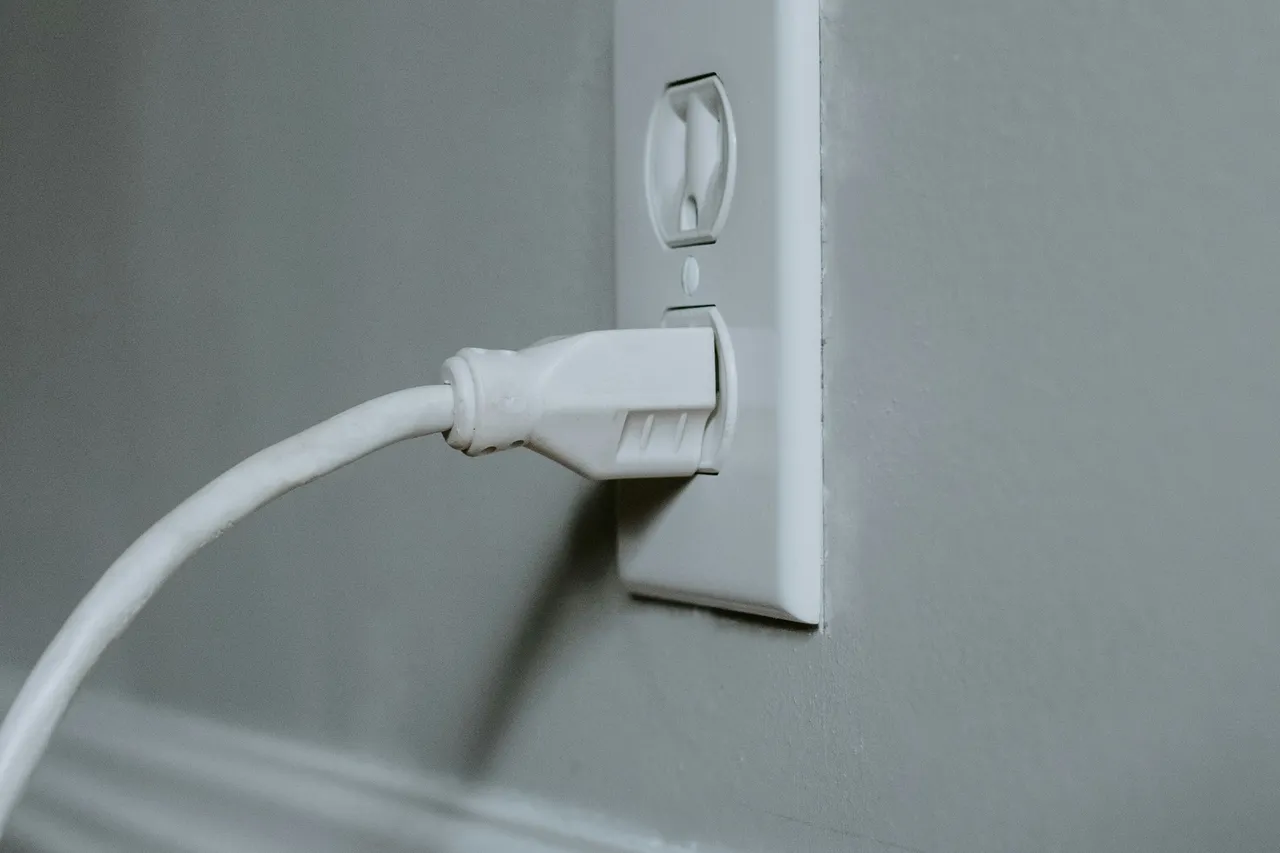
- Outlets and switches: grounded or not, GFCI protection near water, any that are loose or warm.
- Wiring we can see in the attic, crawlspace, garage, and basement, including any knob and tube or older cloth-covered wire.
- Smoke and carbon monoxide alarms.
Older equipment we look for
Some equipment turns up often in older Lane County homes. Zinsco and Federal Pacific panels are two brands that home inspectors often flag. Knob and tube wiring runs on ceramic knobs in houses built before the 1940s. Aluminum wiring on outlet and light circuits turns up in some homes from the late 1960s and early 1970s, and its connections need the right parts. When we find any of these, we explain what it means for your house and what the options cost.

What you get afterward
We walk you through what we found and point to anything that is a safety issue right now versus things to plan for. When repairs are needed, the estimate lists them one by one so you can choose what to do and when.
great initiative, found and fixed problems including a safety issue I wasn't aware of in addition to fixing the know electrical problem. good experience. thank you Jesse.
How is this different from a home inspection?
A general home inspector looks at the whole house and notes electrical items to have checked by an electrician. Our check goes deeper into the electrical system and comes with a repair price. If you already have an inspection report, see repairs from home inspection reports.
Knowledgeable, honest, fair. No upselling and friendly good service. I was given options of what I wanted done and the work was performed well. I'm a lot happier in my home and the electrical problems I had are no longer bothering me.