
What does a whole-home surge protector do?
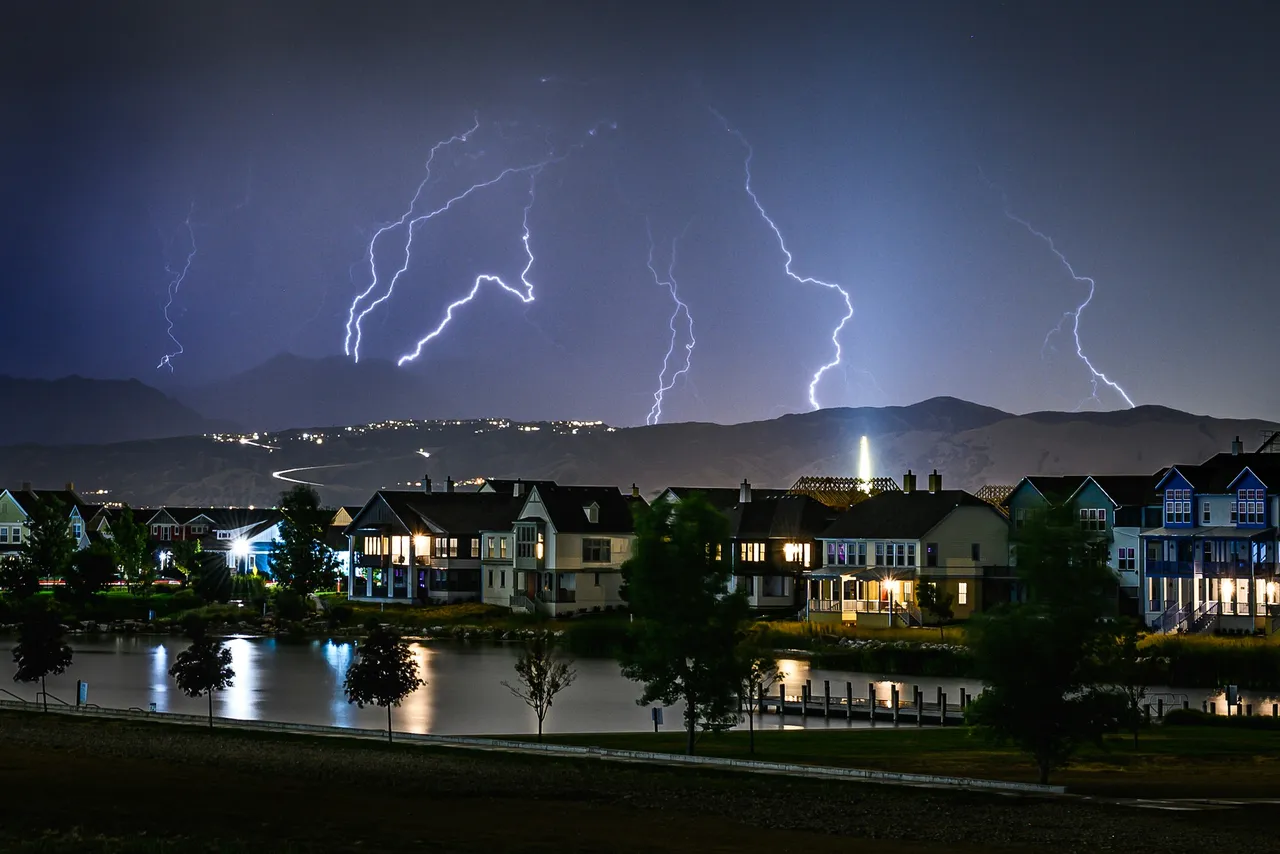
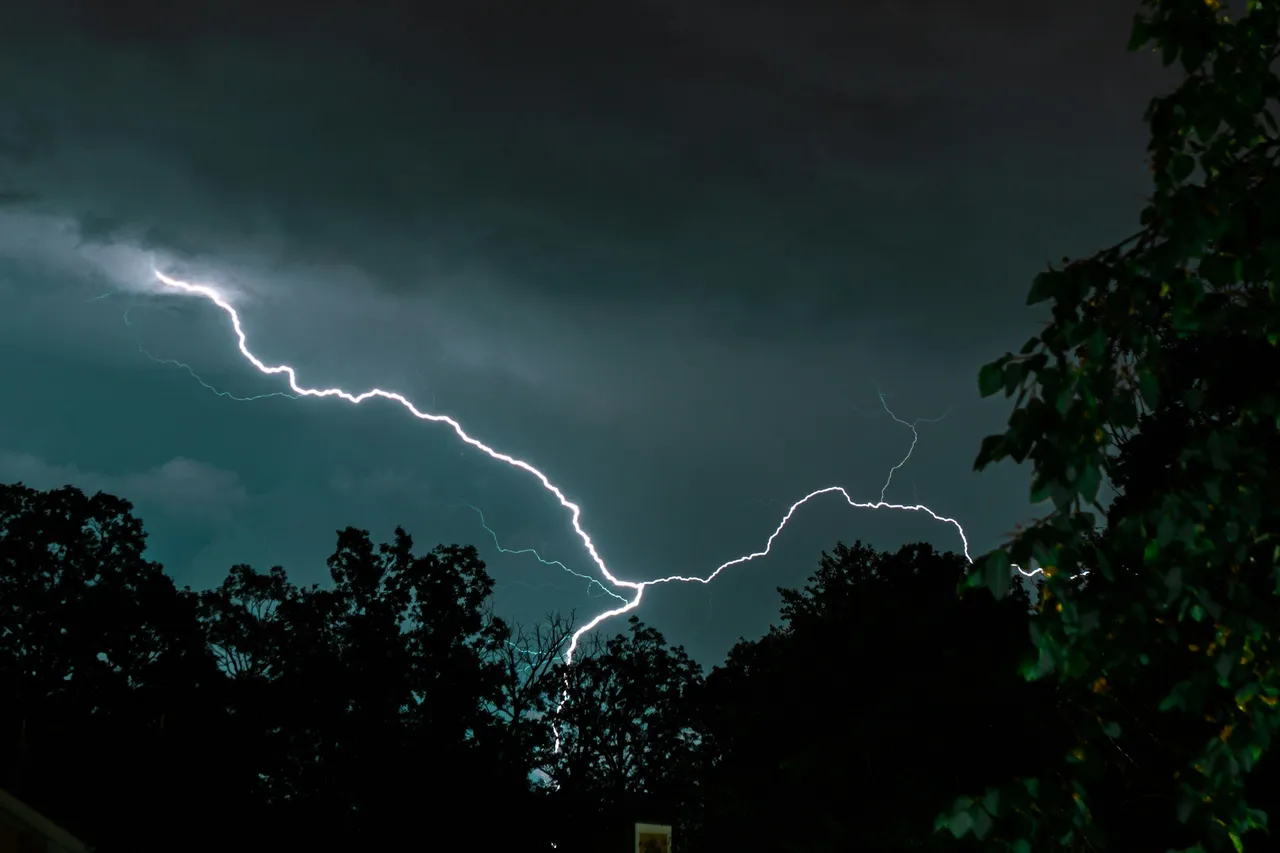
A whole-home surge protector mounts at the breaker box and connects to the panel. When a spike comes in on the utility line, it sends the extra voltage to ground before it spreads through the house. That covers hardwired equipment like the furnace, heat pump, water heater, and range, which a plug-in power strip can't reach.
Layers of protection
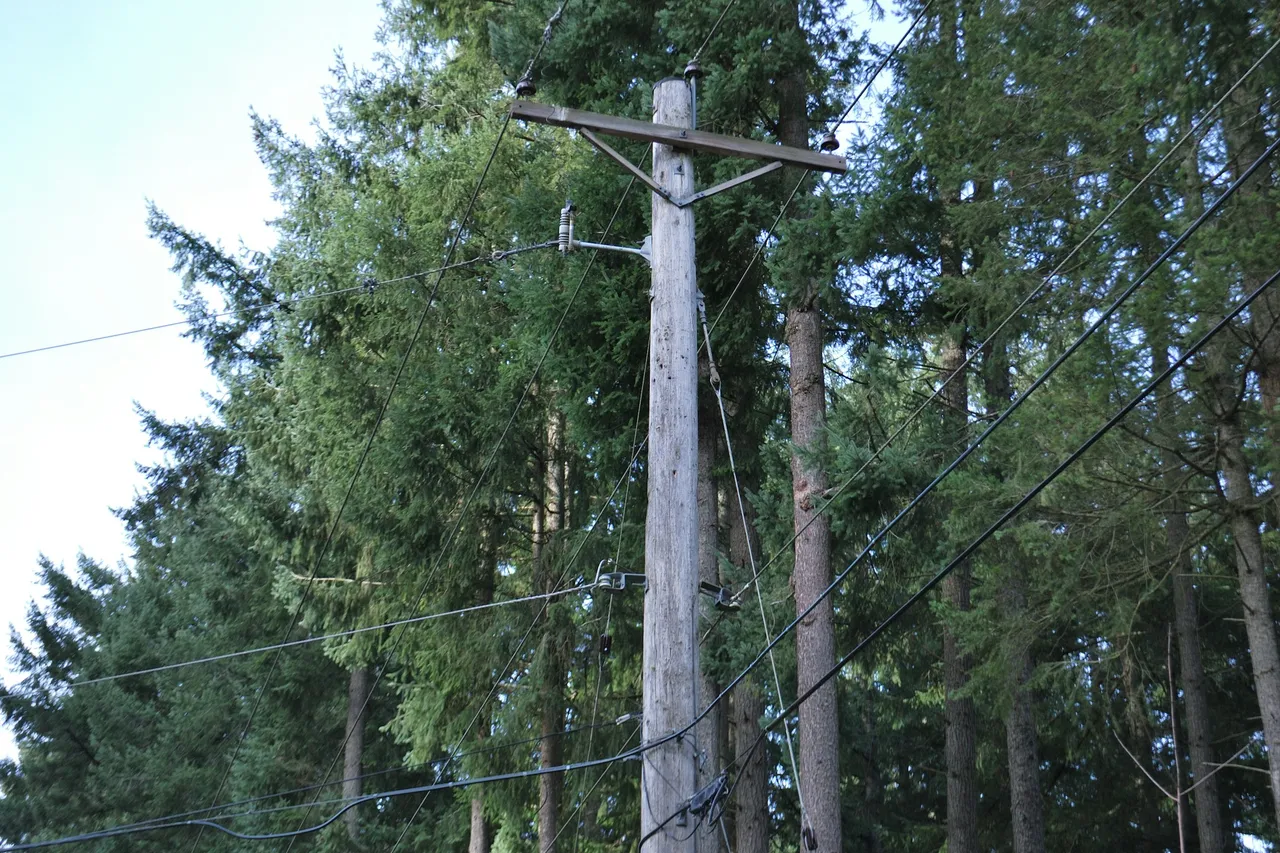
The panel device handles surges coming in from outside and takes the edge off the big ones. Plug-in surge strips at the TV, computer, and other electronics catch what's left at each outlet. Plug-in strips wear out too, and many have a light that goes dark when they can no longer protect. The two work together, and neither one is a backup power source; for that, see generator hookups.
Grounding comes first
A surge protector only works as well as the house's grounding, because ground is where it sends the surge. When we install one, we check the ground wire and its connections at the panel and the meter. In older homes, that check sometimes turns up a ground that needs to be updated, and we'll tell you if yours does.
Choosing the device
Whole-home surge protectors are rated by how much surge current they can handle. For most houses, one device at the main panel covers the house. A detached shop or ADU with its own panel can get a second device there, since a surge can come in on the line that feeds it. We'll recommend the size that fits your panel and the equipment you want to protect.
Adding surge protection during panel work
Since the device connects at the panel, adding it during a panel upgrade or service upgrade is a small addition to the job. Most devices have indicator lights that show they're working, and we'll show you what to look for.