
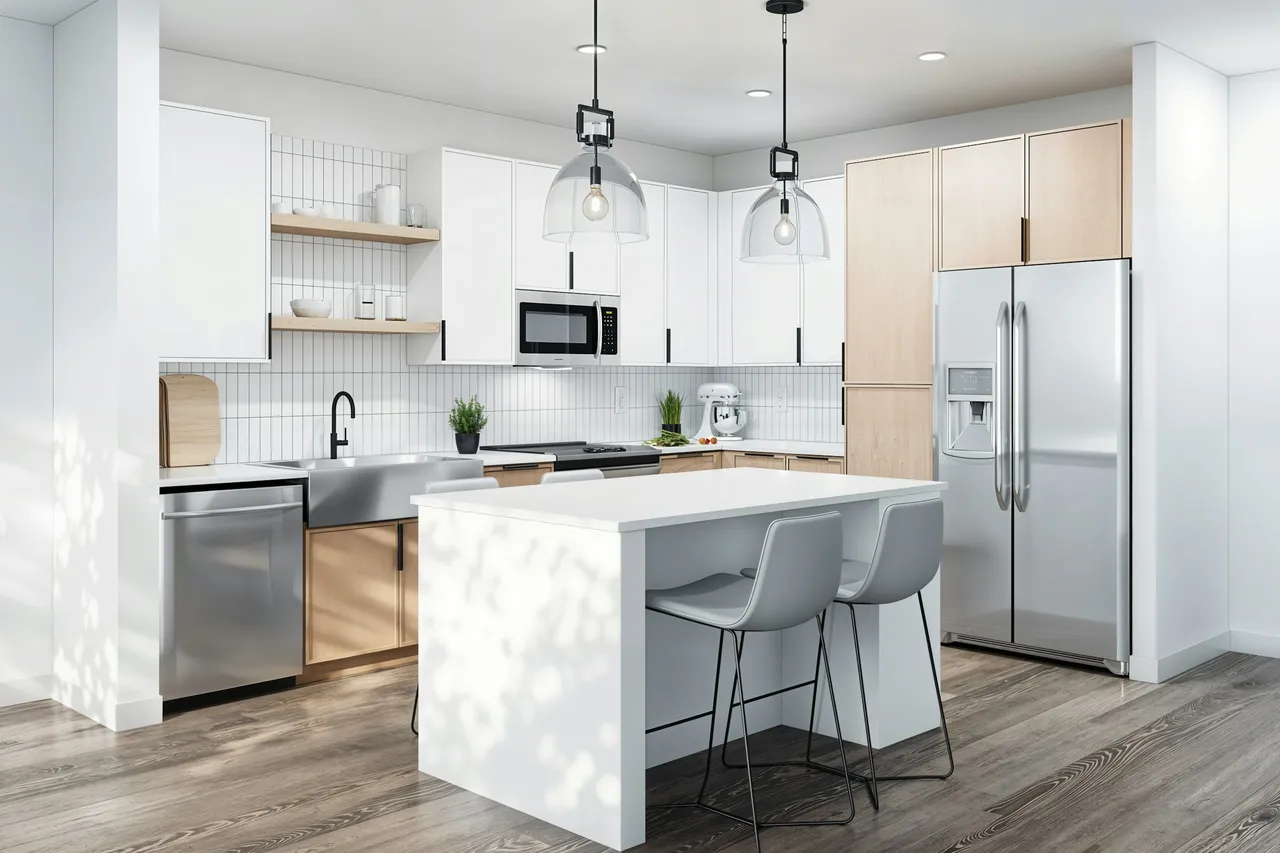
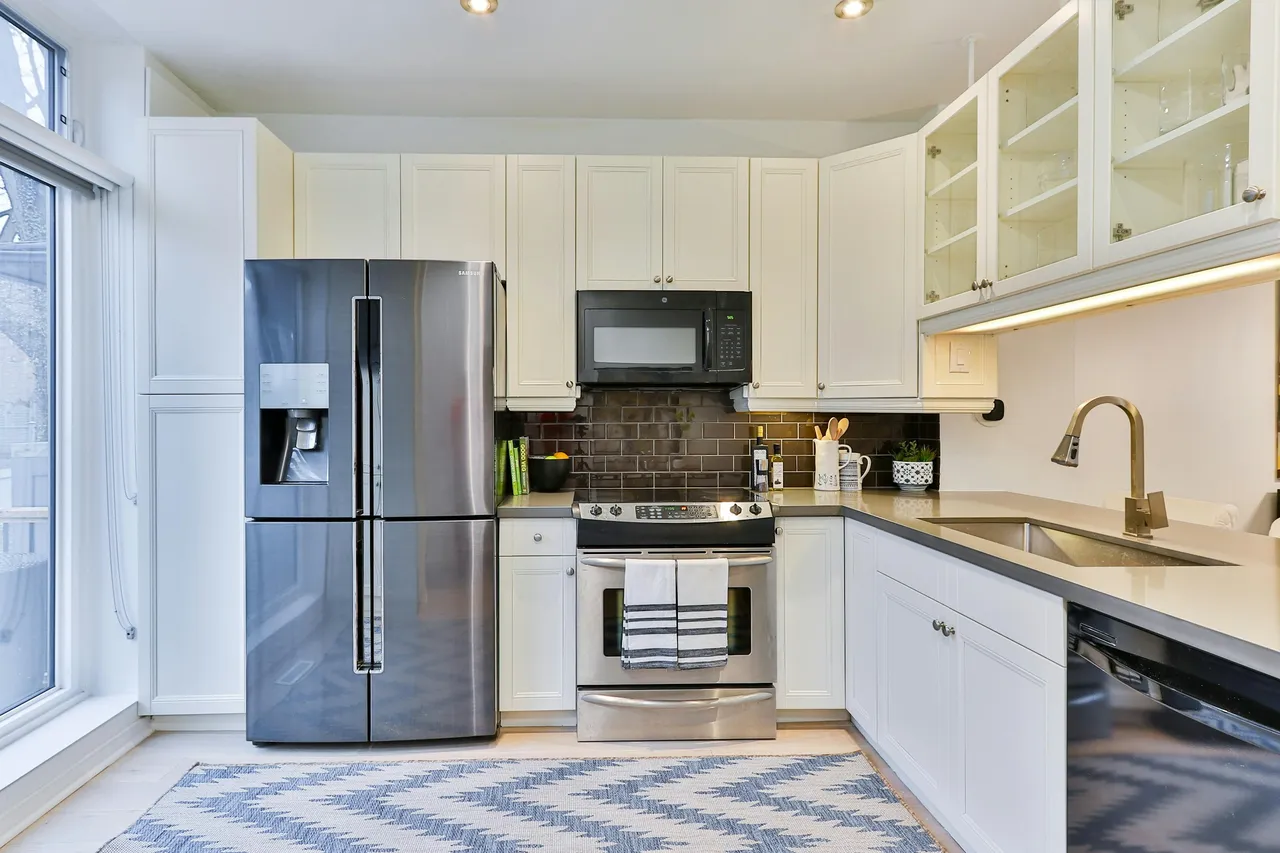
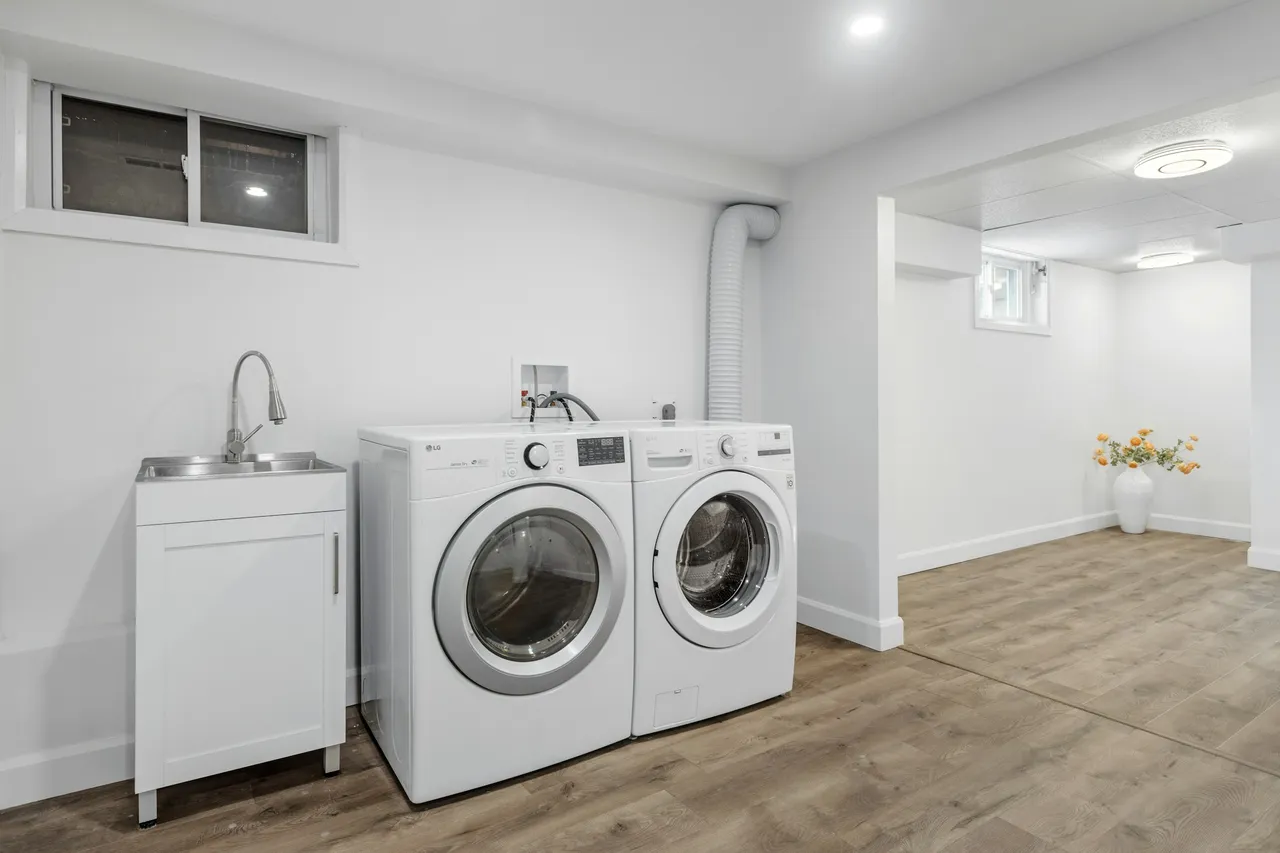
What we need to know
Every appliance has a nameplate or a spec sheet that lists its volts and amps. That tells us the size of wire and breaker the new circuit needs, and whether it's a regular 120-volt circuit or a 240-volt one. We also check your panel for an open space and enough room for the new draw. If the panel is full, we'll show you the options, which can include a panel upgrade.
Running the wire
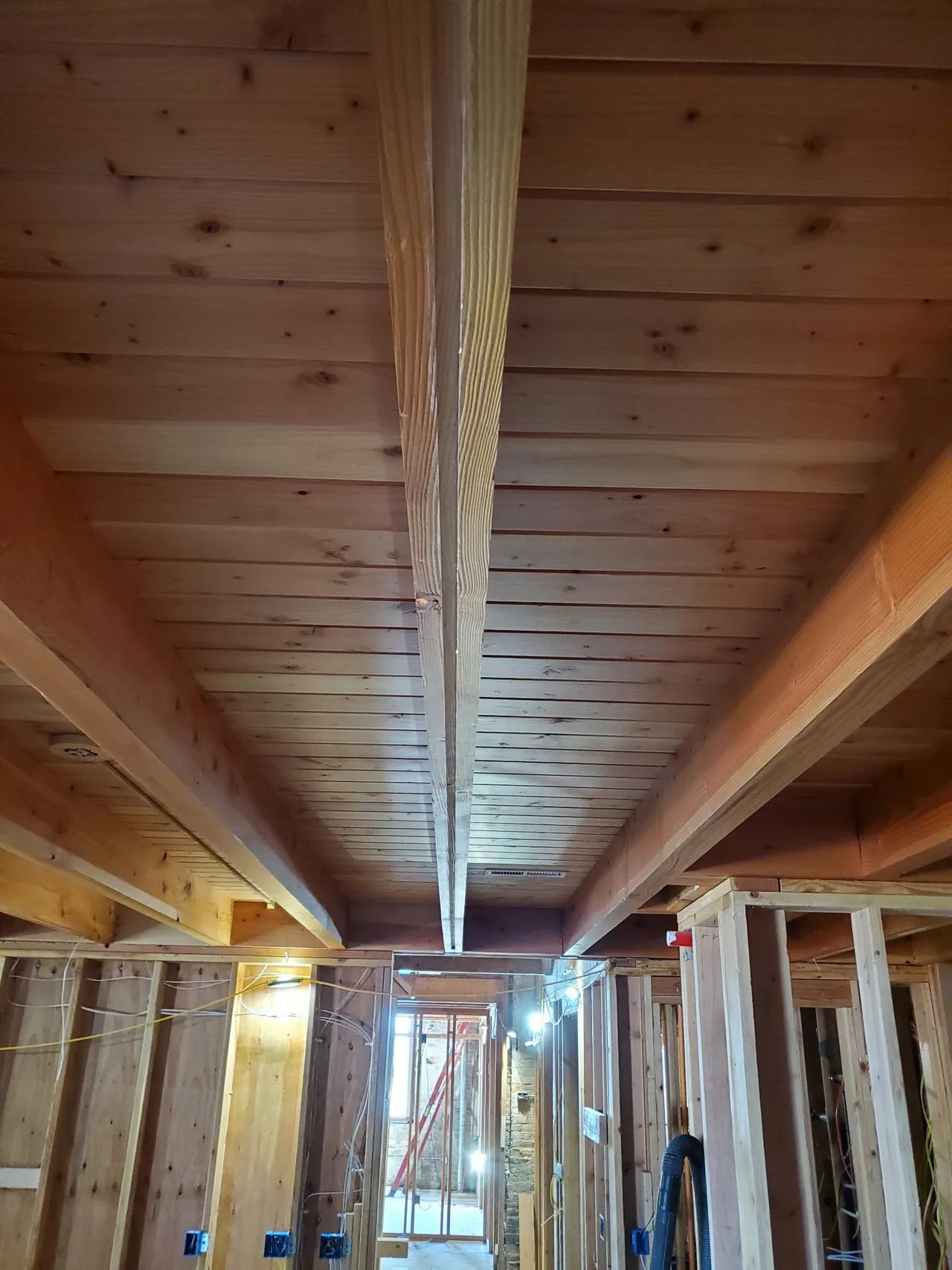
The new line goes from the panel through the attic, the crawlspace, or the garage to the new outlet or appliance. We pick the route that keeps holes in finished walls to a minimum. Ben added a bathroom line and an EV charger for one customer, which meant a few trips under the house:
… He added a line/outlet to our bathroom and installed an EV charger in the garage exactly as planned. This necessitated a few trips under the house, but he left no trace (he came with dedicated in-house shoes!). And, everything works! …
Bathrooms, kitchens, and laundry rooms
Code sets aside circuits of their own for bathroom outlets, kitchen counters, and the laundry, and those outlets need GFCI protection. If you're adding a heater fan in a bathroom or a second fridge in the kitchen, we'll tell you whether an existing circuit can take it or whether it needs a new one.
Sizing the circuit
A circuit is a matched set: the breaker in the panel and the wire behind it are sized together for what the appliance draws. A 20 amp kitchen circuit uses heavier wire than a 15 amp bedroom circuit, and a range or dryer needs heavier wire still. That's why adding a microwave to the end of a bedroom circuit leads to trips, and why a new circuit is often the simple fix.
Detached shops and garages
One tool or one freezer in a detached building can run on a single circuit from the house. When you want lights, outlets, heat, and several tools out there, it usually makes more sense to run one larger line to a small panel in the building. See shop, garage, and barn wiring for that.